
Cracking or "Cranking" The Spring Code: 5 Surprising Takeaways
Masterclass - Smallmouth Bass Masterclass Sessions- Crankbaits

Most of us that live in my region sit by the fire all winter thinking about how we will fish different in the spring to come or go over in our heads the trips we are going to make chasing Smallmouth in the year to come and while many of us may make plans to tackle the challenge differently most will fall victim to repeating the methods and techniques of the past.
Maybe for some of you this year it could be different.
This is why the Smallmouth Bass Masterclass Sessions exist.
Cracking the Spring Code: 5 Surprising Takeaways for Landing Smallmouth Bass During the Spring
1. Introduction: The Springtime Struggle and the “Red” Mystery
Spring fishing is often a season of frustrating contradictions. Trust me. Thus far this year it has been struggle bus for the bigger Smallmouth. A longer and rather colder winter beset the Mid Atlantic Region that dropped far more snow that stayed way longer on the ground and thus the thermals of everything were wonk extending far into March this year. The river water temps remained well below normal levels for much of the early Spring.
But now as the sun lingers longer and water temperatures begin their slow climb, many anglers expect the bite to explode, only to find themselves casting into what feels like an empty bathtub. However, for the strategist, this transition represents the premier window for “competitive feeding.” It helps of course to recognize your river systems and the location your Smallies honker down in winter. Deeper water is generally the location for most.
For example on the Upper Potomac River flowing down into the nations capitol there are sections in the Piedmont that typically host Smallmouth during the winter. One of these is the Edwards Ferry/Goose Creek area of the Upper Potomac because it offers Smallmouth some of the deeper water than any other below the dams of the river as the river pushes towards Washington D.C.
Coming out of winter, bass are often “naive”; they probably haven’t seen a lure in months and are beginning to move up from the depths to stage on secondary points or areas to begin the transition. They aren’t just looking for a meal; they are racing for one. Because these fish often move into the shallows in waves, they become hyper-aggressive to beat their peers to the hunt. I often say this when comparing the Susquehanna River and the Upper Potomac. Susquehanna has a larger density of Smallmouth - which actually are not native to the river— across a broad range of year classes and because of this Smallies there are very aggressive because forage becomes highly competitive. Often times this can be why the bites on the Susky are far more “violent” than bites on other river systems.
Understanding how to exploit this biological urgency through specific techniques like utilizing a few crankbait strategies—triggering reaction strikes rather than just offering a meal—is the key to unlocking solid days on the water during the Spring.
2. The “50-Degree Magic”: Why So Many Prefer Red Lures During the Pre-Spawn
There is a biological phenomenon that occurs nationwide like clockwork: once water temperatures hit the 50°F mark, red and orange lures begin to dominate the leaderboard. This isn’t just an old wives’ tale; it’s rooted in environmental science and ocular biology but we also have to factor in one simple truth; the more people throwing such baits the more Bass are caught and therefore we may actually be “rigging” the science a bit in this regard.
The Science of Visibility
According to professional angler and Missile Baits owner John Crews from Virginia, the physiology of a bass’s eye is a primary factor. Bass possess specific cones in their eyes that allow them to see greens and reds better than any other color in the spectrum. This is amplified by what the infamous You Tuber and former professional angler Randy Blaukat describes as the “winter tint.” In the cold months, a lack of plankton and algae changes the water’s color composition. In stained water with as little as 12 inches of visibility, a “Day-Glo” orange or “Fire Craw” pattern provides a visibility “glow” that allows fish to track the bait from a distance. Sight here for the bass is further influenced by Signal & Noise ( see article here in the newsletter).
The Competition Theory
Strategy dictates color choice based on light intensity. In crystal-clear water, use a “Ghost Red”—a see-through scarlet that provides the red stimulus without spooking high-pressure fish. In murky or stained conditions, move to a bold, opaque red. The goal is to be the first meal seen. As Rick Clunn explains:
“I started trying to think of what’s the science behind red... you know you can go well it’s called crawfish color... or maybe it just has to do with blood. Blood is a commonality thing throughout the universal thing, you know throughout nature.”
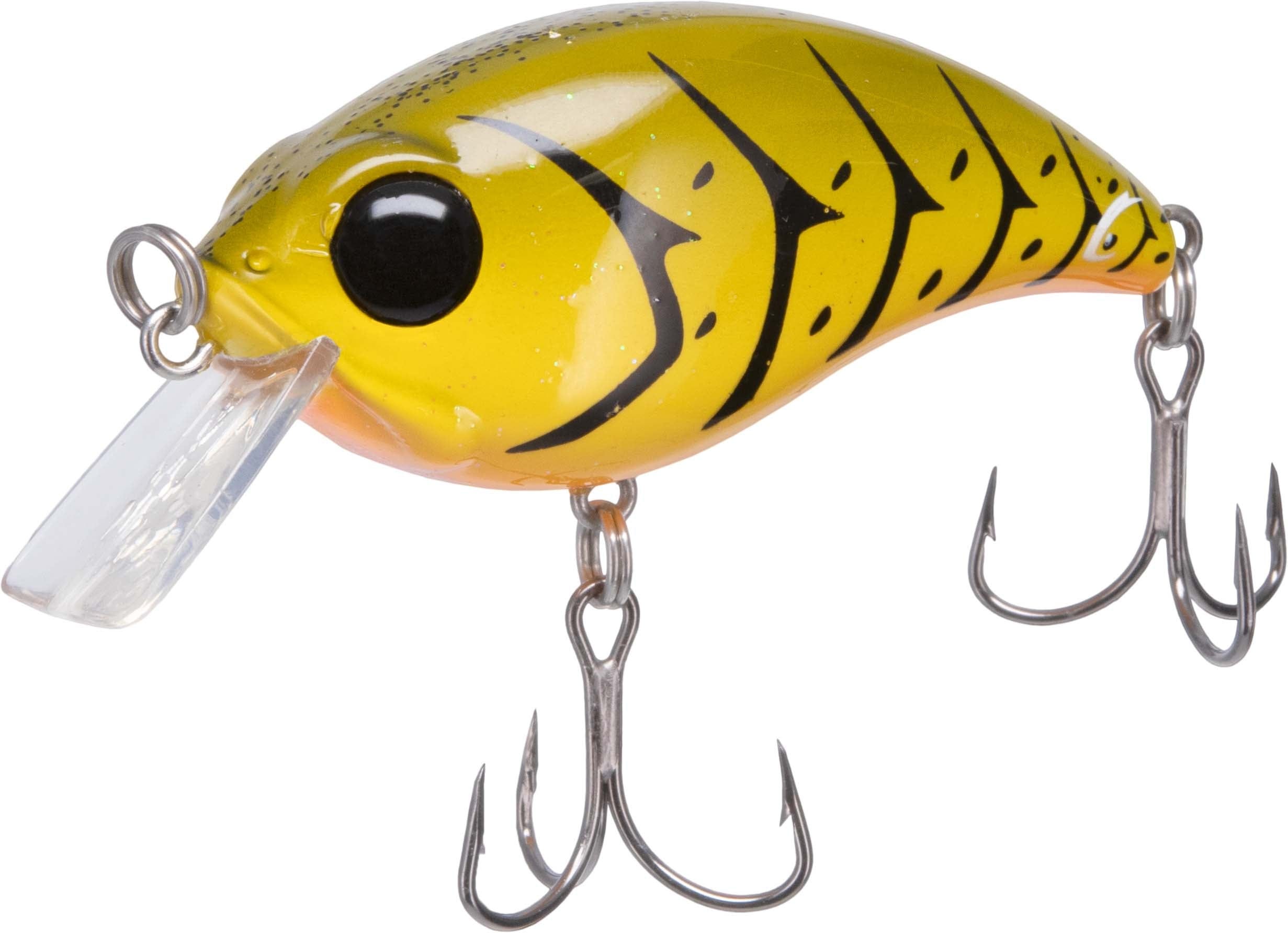
Beyond color, Clunn emphasizes the mechanical advantage of flat-sided crankbaits with a coffin bill. The four corners of a coffin bill create more deflection, and because flat-sided baits are less buoyant than fat-bodied ones, you can “pulse” them near the bottom like a jerkbait, keeping the lure in the strike zone longer.
3. The “Jig” Technique: Hopping the Lipless Crankbait
One of my favorite methods and not just in the Spring mind you is lipless cranking. While most anglers “burn” a lipless crankbait over grass flats, a more lethal, strategic method is “stroking” the bait like a jig. This is particularly effective for fish staged on the bottom in the early spring.
Mechanics of the “Crash”
Using a heavy bait like the 3/4-ounce Lucky Craft LV 500, fire a long cast and let it settle completely on the floor. Instead of a steady wind, use small, sharp rod-tip lifts to make the bait vibrate and flutter just two or three times before letting it “crash” back down. This heavy, fast fall is the ultimate reaction trigger.
The resulting strike isn’t a subtle peck; it is a violent collision. These bites can be very aggressive. It is one of the hardest strikes an angler will ever experience below the top of the water column and often comes the moment the bait hits the bottom substrate.
4. The Silent Assassin: Why “No Rattle” Lands Giants
While loud rattles are excellent for finding active schools in expansive, stained water, “silent” (non-rattling) squarebills often land the “kicker” fish—the double-digit giants that have survived seasons of fishing pressure.
Remember its a numbers game and I don’t mean Smallmouth. I mean anglers. If there are dozens of anglers throwing the same style baits in your area what do you think the acoustics (Noise & Signal) are in the water column at any given time? Such abundance of noise may cause more “fear” in some Smallies and that is why the silent baits— no knockers or rattles—- can be even more effective during these periods.
The Lateral Line Advantage
Real baitfish forage don’t have “tungsten knockers” or BBs inside them. A silent 1.5-style squarebill relies on the bass’s lateral line—the sensory organ that allows them to feel the displacement and vibration of the bait even without audible sound. This presentation is far more natural in crystal-clear water or on lakes where every other angler is throwing a “one-knocker.”
To ensure these fish stay “pinned” once they commit to the small treble hooks, use a rod with a parabolic bend. A glass or composite rod load deep into the blank, preventing the fish from throwing the lure during a jump.
5. Fearless Deflection: Using Squarebills as “4-Wheel Drive” Tools
One of the bigger mistake we can can make is fishing “around” cover instead of actually through it. Most modern squarebills these days are engineered to be almost like “4-wheel drive” tools in a sense.
The ATV Logic
The Bill Lewis ATV has been a standout for many anglers. Its specific body shape and bill angle allow it to roll over branches rather than digging in. Crucially, the ATV which have angled-in hook points seemingly make the bait remarkably snagless while still maintaining a high hook-up ratio. This is why many prefer it to others but again the important thing to break down is the real difference between a squarebill and round bill and how they each behave very different through the water column and around structure.
Startup Speed
Strategy in the shallows relies on “startup speed”—a bait’s ability to immediately begin hunting the moment it clears an obstruction allowing for “real-time” reaction strikes. You want to bang the bait into stumps, laydowns, and rocks. That split-second of deflection is exactly when nine out of ten bites occur.
6. Breaking the Cadence: The Art of the Speed-Stop
A steady retrieve is a search tool, but a broken cadence is a killing tool. Bass often follow a bait out of curiosity, but it takes a sudden change in momentum to trigger their predatory “feed response.”
The Burn-Pause Method
Use a high-speed reel with a 7:1 or 8:1 gear ratio, such as the Shimano Curado 150 allow you to achieve “moon-shot” casting distance and cover football fields of water. Execute an aggressive “burn” for several rotations, followed by a sudden, dead stop. This suggests a baitfish that has either died or is attempting to escape, forcing a trailing bass to make a split-second decision.
Adaptation or Failure
In the spring, bass are moving in waves. They may be pushing bait in the backs of pockets today and gone tomorrow. If you aren’t getting bit, you must move. High-speed cranking isn’t just about the retrieve; it’s a search-and-destroy mission to locate where the fish are currently staging.
7. Conclusion: The Forward-Looking Angler
The core philosophy of spring cranking is a shift in mindset: stop trying to “feed” the fish and start trying to “trigger” them. It is a high-speed game of environmental adaptation, visibility, and calculated aggression.
The next time you hit the water and the bite goes cold, will you stay comfortable with your favorite natural shad pattern, or will you dare to tie on a Day-Glo red and “crash” the heaviest cover you can find? The biggest bass of the year are waiting for the angler brave enough to break the mold and fish different than the pack.
EXTRA
The Two Primary Techniques for Lipless Cranking
There are basically two fundamental ways to fish a lipless crankbait in the spring:
Burning: This is a “chuck and wind” technique where you cast the bait out and retrieve it as fast as you can turn the handle. This is ideal for covering a lot of water quickly to find active fish. To trigger more strikes, you should include occasional pauses or “handle twitches” to break the steady cadence.
Hopping: This method involves fishing the bait like a jig. You cast it out, let it sink to the bottom, and then use small rod tip lifts to make the bait vibrate two or three times before letting it flutter back down. Bass often strike the bait with a hard “jig bite” the moment it hits the ground.
Selecting Your Bait
Not all lipless crankbaits are the same; they vary by how fast they sink and the sound they make:
Heavy/Fast-Falling Baits: Lures like the Lucky Craft LV 500 (3/4 ounce) or the Jackall TN70 are designed to crash to the bottom quickly. These are the gold standard for the hopping technique because their aggressive fall triggers reaction strikes7.
Shallow/Slow-Falling Baits: If you are fishing over shallow vegetation (1 to 10 feet deep), you want a lighter bait like the Strike King Red Eye Shad or the Cotton Cordell Super Spot. These fall more slowly, allowing you to “tick” the tops of the grass without getting bogged down in the weeds.
Sound Profiles: Baits come with different internal rattles. Some have many small BBs for a high-pitched sound, while others are “one-knockers“ with a single deep thud. It is often beneficial to switch sounds if you are fishing in high-pressure areas where fish may have become accustomed to a specific noise.
If you enjoy the Masterclass Smallmouth Sessions please consider in subscribing!
Contact-
smalliechaserriverbassin@gmail.com
Video Channel- Smallmouth Bass Masterclass Sessions
https://www.youtube.com/@TheSmallieChaserChannel